


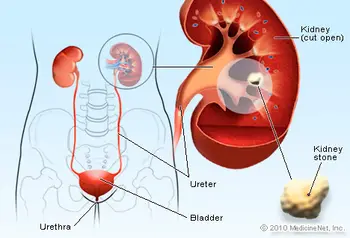
Kidney stones are one of the most common urological conditions affecting both men and women. They can develop silently inside the kidneys and may not cause noticeable symptoms in the beginning. Many people ignore the early warning signs because they think the pain is due to dehydration, muscle strain, gas, or a minor urinary infection. However, identifying kidney stones early can help prevent severe pain, infection, and kidney damage. At KJR Hospital, Noida, we regularly treat patients with kidney stones and other urinary tract problems, and early diagnosis often makes treatment easier and more effective.
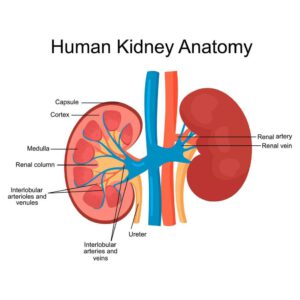
What are kidney stones?
Kidney stones are hard deposits made of minerals and salts that form inside the kidneys. These stones can vary in size from tiny crystals to larger stones that may block the flow of urine. When a stone begins moving through the urinary tract, it can cause pain, bleeding, and difficulty in urination. Recognizing the early symptoms can help you seek medical care before the condition becomes serious.
Pain in the side or lower back
One of the earliest and most common symptoms of kidney stones is pain in the side or lower back. The pain may start as a mild discomfort and gradually become more noticeable. It usually occurs on one side of the body and may spread toward the lower abdomen or groin. Unlike normal back pain, kidney stone pain often comes and goes and may become sharper with time.
Burning sensation during urination
A burning sensation or pain while passing urine is another warning sign that should not be ignored. When a kidney stone reaches the lower urinary tract, it can irritate the lining of the urinary system and cause discomfort during urination. Many people mistake this symptom for a urinary tract infection, but if it is associated with back pain, nausea, or blood in the urine, a kidney stone should be considered.
Blood in the urine
Blood in the urine is an important symptom that requires medical attention. The urine may appear pink, red, or brown because the stone can scratch the lining of the urinary tract. Sometimes the blood is not visible to the naked eye and is detected only during a urine test. Even a small amount of blood in the urine should never be ignored.
Frequent urge to urinate
Kidney stones can also cause frequent urination, especially when the stone is close to the bladder. You may feel the urge to urinate repeatedly, but only a small amount of urine is passed each time. This symptom can easily be confused with a urinary infection, which is why proper evaluation by a doctor is important.
Nausea and vomiting
Many patients with kidney stones experience nausea and vomiting. The kidneys and digestive system share nerve connections, so kidney stone pain can affect the stomach and cause nausea, loss of appetite, or vomiting. These symptoms are often more noticeable when the pain becomes severe.
Why do kidney stones develop?
Several factors increase the risk of developing kidney stones. Not drinking enough water is one of the most common causes because concentrated urine allows minerals to form crystals more easily. A diet high in salt, excessive sugary drinks, obesity, certain medications, and a family history of kidney stones can also increase the risk.
Simple ways to prevent kidney stones
Drinking 2–3 liters of water daily is one of the most effective ways to reduce the risk of kidney stones. Reducing salt intake, eating a balanced diet rich in fruits and vegetables, maintaining a healthy weight, and avoiding excessive sugary drinks can also help prevent stone formation. People who have had kidney stones before should follow their doctor’s dietary advice carefully because recurrence is common.
When should you see a urologist?
You should consult a urologist immediately if you experience severe back or side pain, blood in the urine, difficulty passing urine, fever with urinary symptoms, persistent vomiting, or repeated episodes of kidney stone pain. Delaying treatment can lead to urinary blockage, infection, and kidney damage.
Expert kidney stone care at KJR Hospital
At KJR Hospital, Noida, our experienced urology specialists provide complete evaluation and treatment for kidney stones, urinary tract infections, prostate problems, and other urological conditions. We use modern diagnostic techniques and personalized treatment plans to help patients recover quickly and prevent future stone formation.
Final thoughts
Ignoring the early signs of kidney stones can lead to unnecessary pain and complications. If you notice symptoms such as lower back pain, painful urination, blood in the urine, or frequent urination, seek medical advice without delay. Early diagnosis and timely treatment can protect your kidney health and help you avoid more serious problems in the future.
For expert kidney stone treatment and urology consultation, contact KJR Hospital, Noida, and get the right medical guidance from experienced specialists.